Superssd
SanDisk Raises Consumer SSD Prices by Up to 180%
Originally published January 31, 2026
Users eyeing a high-capacity SSD upgrade should prepare for sticker shock. SanDisk has implemented massive and sweeping price increases across its consumer SSD lineup, with some models now costing nearly three times their original MSRP.
Like
Kingston and
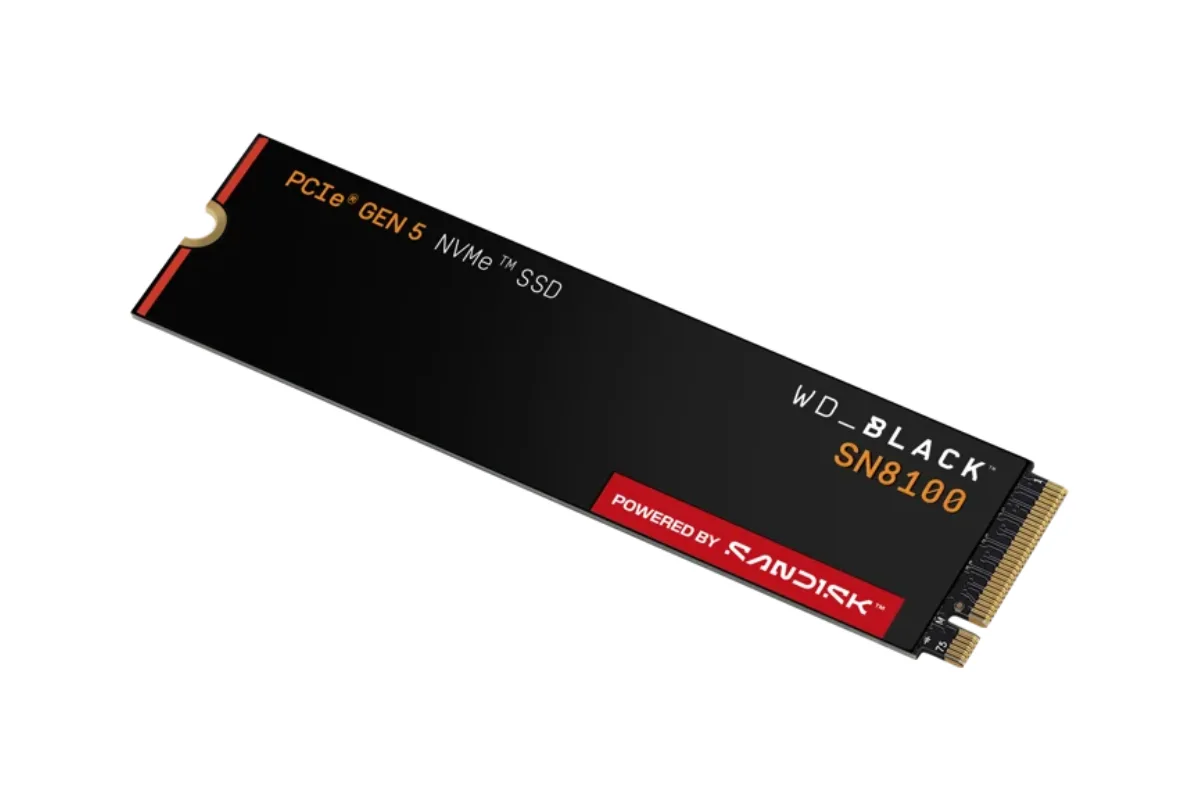
Samsung, SanDisk offers its flagship WD Black SN8100 in a 8TB configuration, which now commands
over $2,500 on SanDisk's official webstore. That's more than you'd spend building a high-end gaming PC with a Core Ultra 9 processor and RTX 5080 graphics card.
As we've
previously reported, these aren't temporary fluctuations but rather a comprehensive pricing restructure driven by the ongoing NAND flash shortage that's strangling the storage market.
Every Product Line Affected
The price hikes extend far beyond flagship drives. SanDisk's entire consumer portfolio has seen dramatic increases. The WD Black SN8100 8TB, which launched with a $999.99 MSRP, now sells for $2,572.99 on SanDisk's webstore. That's a 157% increase over the original launch price. The 4TB model jumped from $549.99 to $1,289.99, while the 2TB version more than doubled from $279.99 to $644.99.
Even the more affordable WD Black SN7100 series hasn't escaped unscathed. The 4TB model now costs $869.99 compared to its original $299.99 MSRP. That's a 190% increase. Budget-oriented buyers looking at the WD Blue SN5100 will find similar sticker shock, with the 4TB version climbing from $299.99 to $829.99.
These webstore prices don't necessarily reflect what you'll pay at retailers today. However, they signal where the market is heading.
The root cause is AI infrastructure consuming unprecedented volumes of NAND flash memory.
TrendForce predicts client SSD contract prices will increase by at least 40% quarter-over-quarter in Q1 2026.
Supply Won't Improve Until 2027
Don't expect relief anytime soon. Memory manufacturers remain cautious about expanding production capacity after the severe downturn they experienced in 2023 and 2024. Building new fabs requires tens of billions in investment, and companies hesitate to commit those resources while uncertainty surrounds the sustainability of AI demand.
According to Phison, new production lines capable of addressing the shortage won't come online until late 2027 at the earliest. Some manufacturers have stated they have no plans to increase production capacity at all. This creates a perfect storm where supply constraints will persist well into 2027, potentially longer.
DRAM products face similar pressures. DRAM prices have increased 100% or more for many consumer modules.
Industry forecasts paint a challenging picture through at least 2027.
IDC warns this is not just a cyclical shortage but a potentially permanent strategic reallocation of silicon wafer capacity.
In other words, the downward price trend for high-capacity consumer storage is reversing sharply. Budget-friendly 4TB and 8TB drives that seemed within reach just months ago are now out of reach for many.